
7 Sad Song Hindi Picks for Heartbreak & Mood Edits (2026)
Hindi sad songs still function like a creator utility, not just a music mood, because the niche has enough audience depth to stay active while still being fragmented. A vidIQ snapshot for the Hindi Sad Songs channel showed 224,000 subscribers, 351,994 total views, and estimated monthly earnings of $1 to $2 on October 6, 2025, with daily views mostly in the 5 to 29 range, which tells you this space is built for repeat listeners, not mass-market spikes. That's exactly why sad song hindi picks work so well for reels, covers, voice-overs, and emo-rap flips, if you choose tracks with the right emotional function.
The gap is not access, it's specificity. Searchers often want more than breakup material, they want songs for grief, loneliness, memory, or catharsis, and they want tracks that can do something in a short-form workflow. So treat this list like a toolkit, not a playlist, and use each song as a practical asset with a mood tag, era tag, lyric micro-snippet, and content use case.
1. Agar Tum Saath Ho from Tamasha
Lyric hook: “Agar tum saath ho.” That line does the heavy lifting. It lands as quiet loss, not melodrama, which is exactly why this track works for breakup reels, reflective covers, and voice-over edits that need a controlled emotional hit. The official video featuring Ranbir Kapoor and Deepika Padukone strengthens that pull, and the song also fits cleanly into the recurring Hindi sad-song stream format seen in major playlists on JioSaavn's Top 10 Sad Songs - Hindi compilation.
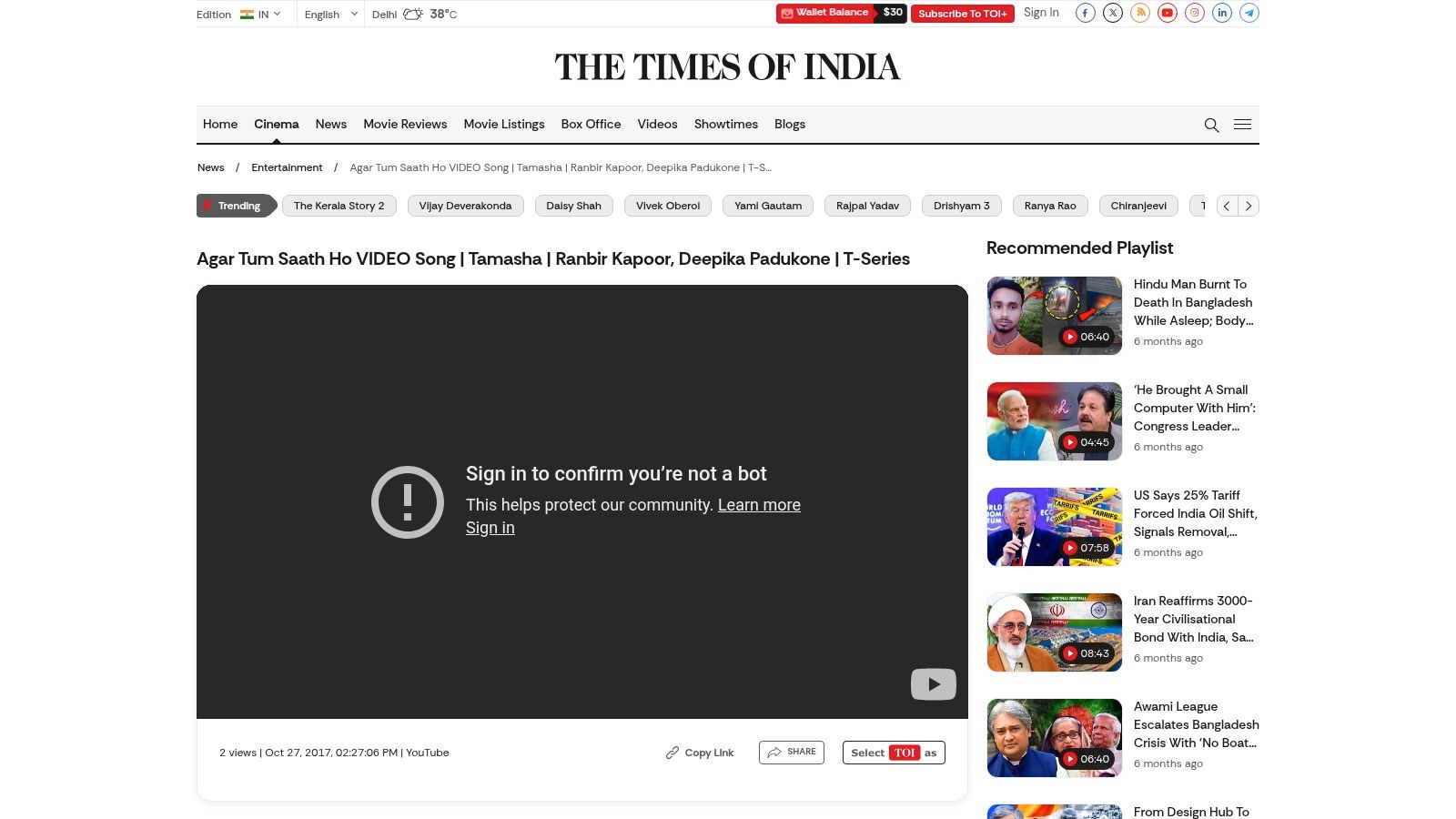 Agar Tum Saath Ho – Tamasha (2015)
Why it works for creators
The song's emotional shape is conversational, so it sits naturally under talk-style intros, breakup captions, and quiet vlog endings. You get a clean lane for the lyric, and you do not need to force the edit around it. The melody also samples well because it leaves space for the beat, which matters when the goal is feeling first and polish second.
Mood tag: reflective heartbreak. Era tag: modern Bollywood canon. Creator use case: sad reels, soft covers, melancholic voice-overs, sample beds for emotional hooks.
Practical rule: Use this track when the edit needs restraint. Let the first line breathe, then cut to a reaction shot or a text-overlay reveal.
Creator workflow: start with a 2-second close-up, place one lyric line on screen, then let the chorus arrive over a slow zoom or a static portrait frame. If you are building a sample pack, keep the piano-led intro intact and add only light percussion underneath. If you want to turn the melody into emo-rap style content, strip the hook down to its most recognizable phrase, then feed that line into an AI diss track generator and build a sharper vocal response around the same emotional tension.
2. Channa Mereya from Ae Dil Hai Mushkil
“Channa Mereya” works because it sounds like a farewell you can sing in one breath. The line lands with immediate emotion, and that makes it a reliable pick for breakup edits, cover clips, and short-form videos that need a fast hit of regret. If you are building a cleaner vocal version or want to shape the melody for your own content, the practical route is to use making karaoke tracks as your starting point.
Use it when you want emotional lift
Start with the chorus. The arrangement reaches its peak quickly, so it works well for reels that need a sharp shift from quiet to shattered. The song also gives you enough lyrical room to build around farewells, one-sided love, and public heartbreak without making the edit feel crowded. If Agar Tum Saath Ho feels private and inward, Channa Mereya reads like a public goodbye with the volume turned up.
Best use case: singalong covers, dramatic captions, farewell edits, stitched reactions.
Creator workflow: trim the intro, hit the chorus early, and use one lyric phrase as on-screen text while the visual changes from warm tones to colder grading. For remix work, keep the chorus recognizable and add new drums around it instead of burying the original melody. If you are turning it into a fresh vocal concept, the next step is buying or clearing lyrics for a song edit before you build the new arrangement.
Direct take: pick this when you need instant recognition and a singalong hook that carries the sadness on its own.
3. Tum Hi Ho from Aashiqui 2
A song this direct does the job fast. It lands as all-in devotion, with an early-2010s heartbreak-wave feel that still cuts through because the structure is simple and the emotional arc is clear. Arijit Singh's rise is tied to that clarity, and creators can still use it for chorus drops, montage edits, and sampled refrains without needing extra setup. If you want to turn the melody into a new vocal angle, start with buying or clearing lyrics for a song edit. If you need the mechanics behind a cover, the practical guide to what a cover version of a song means in practice belongs in your prep stack.
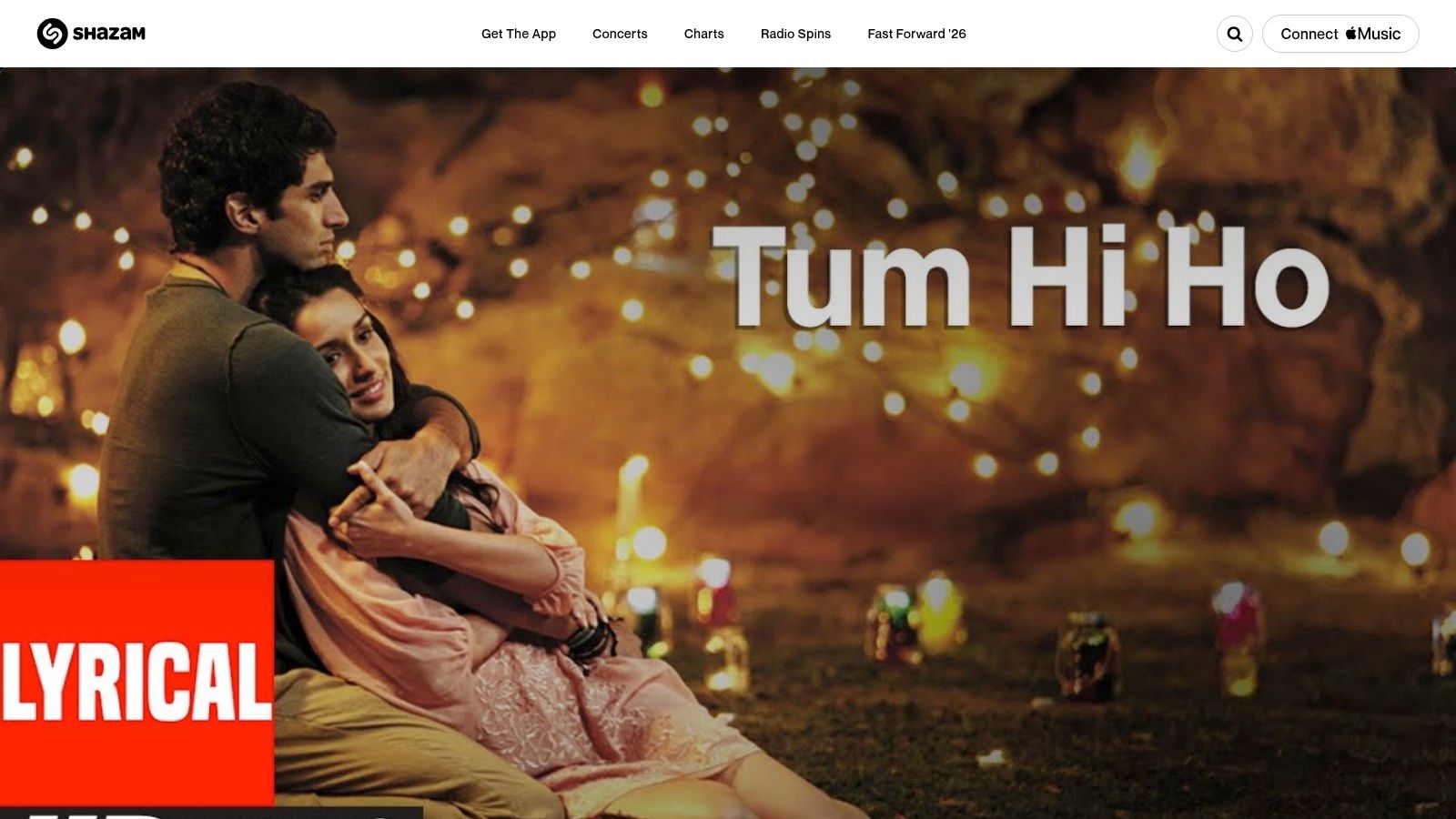 Tum Hi Ho – Aashiqui 2 (2013)
What to steal from it
The verse-to-chorus shape is clean, and that makes it rarely useful material for short-form editing. Start with one refrain, then layer spoken-word or rap bars around it while the emotional anchor stays intact. The title also carries enough weight across India and the diaspora that you get recognition before the first line lands.
- Reels: use the chorus as the emotional turn.
- Covers: keep the vocal front and center, avoid overproducing the harmony.
- Sampling: isolate the most recognizable melodic phrase and loop it under a modern drum pocket.
- Voice-over: place a confession or apology on top of the softest section.
Best use case: dramatic confessionals, recap edits, heavily emotional covers.
Creator workflow: open with a personal line, let the song answer it, then switch to a slower visual pace for the final beat drop. For emo-rap style content, keep the hook recognizable, add a darker drum pattern, and write around the melody instead of crowding it.
4. Kal Ho Naa Ho Title Track from Kal Ho Naa Ho
Curator angle: use this when the emotion needs to feel larger than a breakup. Mood tag: existential sadness. Era tag: timeless early-2000s classic. The song works for memorial edits, tribute content, and “live now” messaging because its center is impermanence, not romance. If your edit needs reflection instead of raw heartbreak, this is the cleaner pick, and it belongs beside other steady Hindi sad-song staples on Apple Music's Best Sad Songs - Hindi compilation.
Why it beats a generic breakup pick
The melody stays memorable without turning forceful, and the strings carry a quiet weight that leaves space for spoken text. That gives you room to run it under a tribute, a legacy post, or a reel that needs dignity more than anguish. The song's range is the point. It does not lock you into one relationship story, so it stays useful across family edits, remembrance posts, and reflective creator narratives.
If you are planning a cover, this is the moment to study what a cover version of a song means in practice before you record. Strip the arrangement back, keep the vocal clear, and let the melody carry the sentiment instead of stacking extra production on top of it.
Use this for: memorial slideshows, reflective brand stories, late-night monologues.
Best use case: tribute content, legacy edits, introspective reels, soft spoken-word overlays.
Creator workflow: start with a still image or a slow pan, place one line about time or memory, and let the melody do the emotional lifting. For a cover, keep the arrangement spare because the song already feels complete. For emo-rap style content, keep the hook intact, add a darker drum pocket, and write new bars that answer the melody instead of fighting it.
5. Tujhe Kitna Chahne Lage from Kabir Singh
Mood tag: restrained longing. Era tag: late-2010s contemporary heartbreak. Start with the line that does the heavy lifting, then let the rest of the arrangement breathe. Tujhe Kitna Chahne Lage – Kabir Singh (2019) works cleanly under trap hats, lo-fi drums, or a stripped pop-R&B frame because the vocal sits with control instead of forcing a collapse. The gradual build gives you space to layer a visual story before the chorus lands, which is why this track fits modern Hindi sad-song playlists that keep getting grouped into repeat collections on streaming platforms.
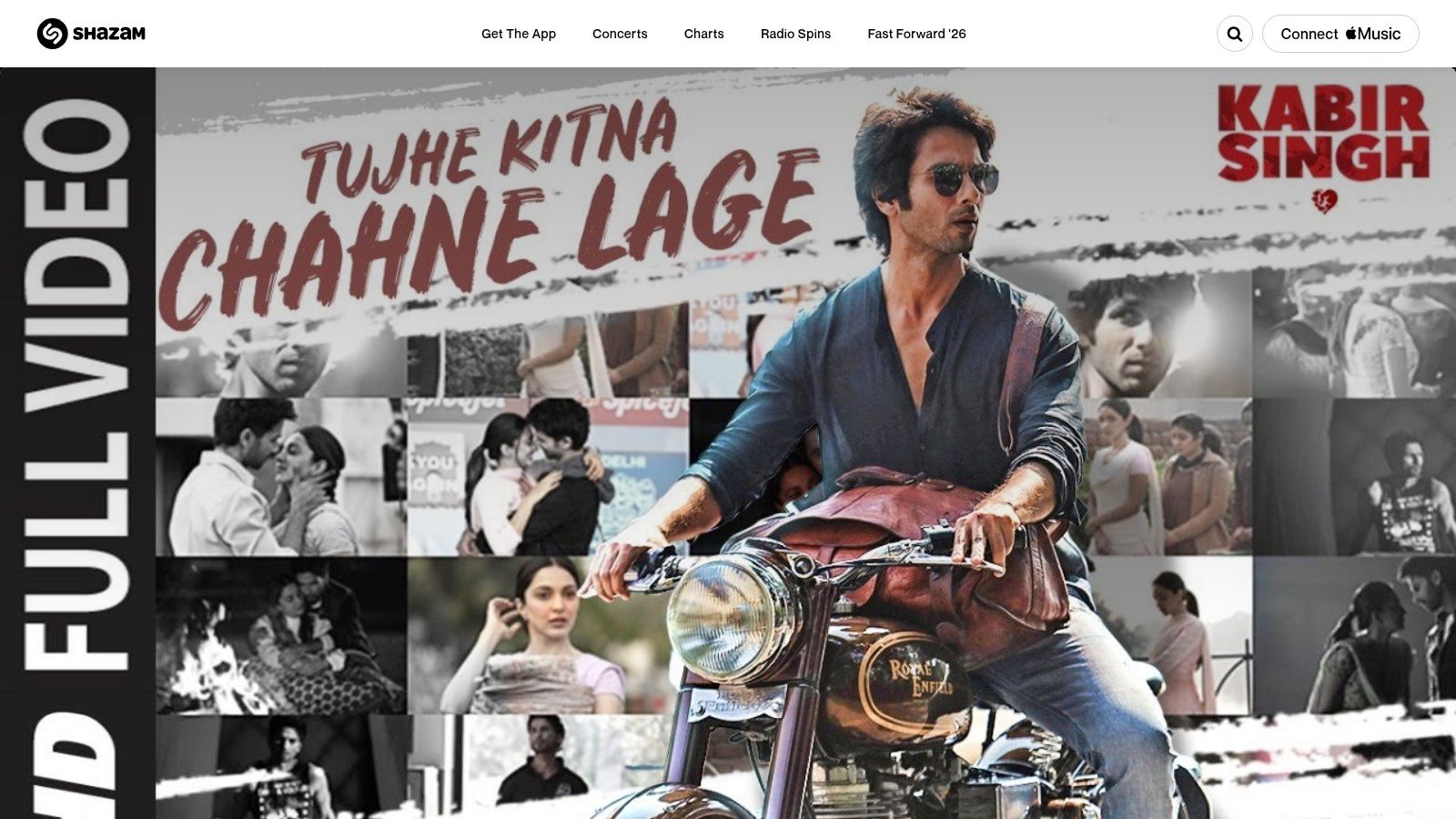 Tujhe Kitna Chahne Lage – Kabir Singh (2019)
Creator-first angle
Use this song when the emotion is held in, not shouted out. The lyric language is about wanting someone without losing control, so it fits a private-text reveal, a missed-call edit, a late-night confession reel, or a performance clip where the face carries more meaning than the hook. Short lyric snippets like “tujhe kitna chahne lage” or “humsafar” work well as on-screen text because they stay simple and leave room for the visual.
For creators moving between Bollywood sadness and emo-rap textures, this track is a clean bridge. Keep the opening sparse, let the vocal motif settle first, then bring in your beat after the emotional frame is clear. If you want a cover, keep the phrasing clean and the arrangement light so the melody stays in focus. If you want sampling, lift a short melodic phrase and place it over a darker drum pocket. For reels, use one strong image, one line of text, and one emotional turn.
Best use case: modern edits, lo-fi covers, confession reels, low-key sampling.
Creator workflow: start with a quiet visual, hold back the beat, then let the chorus hit after the mood is set. For emo-rap style content, keep the Hindi hook intact, add harder percussion underneath, and write new bars that answer the melody instead of crowding it.
6. Tadap Tadap from Hum Dil De Chuke Sanam
Tadap tadap ke is dil se aah nikalti rahi. 這句一出來,情緒就直接到頂。Mood tag: raw devastation. Era tag: 90s heartbreak cannon. 這首歌不靠含蓄取勝,它靠爆發力,適合你要做那種一秒把人拉進崩潰現場的 sad song hindi 內容。90s 管弦編排和大幅度的人聲起伏,讓它在今天的短影音裡依然有殺傷力,特別適合那種需要痛感一口氣衝上來的片段。
Why it hits hard
這首歌的情緒很滿,而且正是優勢。你要做公開失控、關係破裂、情緒崩塌這類內容,它會立刻把戲劇張力拉滿。副歌一進來,畫面只要跟著從平靜切到失落,效果就夠了,不需要再堆很多資訊。
90s 的聲響會比較厚,做新編時可以補一點更乾淨的鼓組,或把低頻整理得更俐落。重點還是保留原本的聲線衝擊,因為這首歌最值錢的就是那種不收力的痛感。
- Reels: 留給最重的情緒揭露,用在反轉最大的一刻。
- Covers: 咬字要準,動態不要壓平,讓每一句都保留上揚和崩裂。
- Sampling: 直接切最炸的那一句,接到極簡鼓點上,情緒會更集中。
- Short-form video: 配一個強烈表情就夠了,不用做滿版蒙太奇。
Best use case: cathartic edits, high-drama covers, intense storytelling clips.
Creator workflow: 先把張力堆起來,等視覺從平靜轉向崩塌時再丟進副歌。要做 emo-rap 風格內容,就保留 Hindi hook,下面加更硬的打擊和鼓,然後寫新的 bars 回應這個旋律。想把它改成更狠的創作方向,也可以丟進 an AI diss track generator,先抓住旋律的痛點,再把情緒翻成更直接的攻擊性段落。
7. Ajeeb Dastan Hai Yeh from Dil Apna Aur Preet Parai
這一句先放在前面,Ajeeb Dastan Hai Yeh。它不是把悲傷往外砸,而是把情緒收得很穩,讓整支 sad song hindi 內容看起來更有品味,也更耐看。Mood tag: vintage melancholy. Era tag: golden-era classic. 如果你要做的是黑白畫面、顆粒感鏡頭,或帶一點書卷氣的感傷剪輯,這首歌直接到位。
Creator note: Use this song when the visual language is black-and-white, grainy, or archival.
Why it still lands
這首歌的強項是質感,不是喧嘩。旋律和寫詞都帶著老派的精準,放進 lo-fi、boom-bap,或 spoken-word 翻玩都很合適,因為它保留了情緒,但不把情緒說滿。對創作者來說,這很實用,畫面可以更簡單,聲音卻還是站得住。
如果你的觀眾已經看膩了常見的 breakup loop,這首歌就是最直接的反差選擇。它能把內容從「又一首傷心歌」拉到「有年代感的編排」,特別適合配平靜旁白、舊照片、老電影感剪輯,或那種刻意留白的情緒片段。情緒重點在 phrasing,不在堆疊製作,所以你不用把編曲做得很滿,留空反而更好。
Best use case: vintage edits, lo-fi remixes, poetic narration, cultured mood boards.
Mood tag: hushed ache. Era tag: classic Hindi melancholy.
Creator workflow: 先抓一小段旋律樣本,下面鋪一層 dusty drum loop,視覺只保留最必要的元素。接著把畫面處理乾淨一點,讓黑白、顆粒、慢鏡頭去托住歌的氣質。想把這首歌改成 emo-rap 風格內容,就保留 Hindi hook,下面加更硬的鼓點和更直白的回應段落,再用 an AI diss track generator 把這種老派哀傷轉成更銳利的創作版本。
7 Iconic Hindi Sad Songs Comparison
| Song Title | 🔄 Implementation Complexity | ⚡ Resource Requirements | 📊 Expected Outcome | 💡 Ideal Use Cases | ⭐ Key Advantages |
|---|---|---|---|---|---|
| Agar Tum Saath Ho – Tamasha (2015) | Moderate, duet phrasing and soft dynamics require careful balance | Low–Medium, piano/strings, clean mix | High emotional resonance; suited to reflective engagement | Slow narrative edits, vulnerability-focused reels | Universally relatable theme; clean mix that adapts well |
| Channa Mereya – Ae Dil Hai Mushkil (2016) | Moderate, layered chorus and traditional motif integration | Medium, shehnai flavor, multiple official versions increase assets | Very high engagement; singalong payoff | Farewells, montage climaxes, dramatic singalongs | Big, recognizable chorus and rich lyrical content |
| Tum Hi Ho – Aashiqui 2 (2013) | Low, clear verse/chorus structure; vocal dynamics need space | Low, piano ballad profile, straightforward stems | Very high emotive impact; strong cultural recognition | Dramatic edits, voice‑over beds, sampled refrains | Powerful emotive performance that anchors dramatic cuts |
| Kal Ho Naa Ho (Title Track) – Kal Ho Naa Ho (2003) | Low, timeless arrangement with stable motifs | Low, clean mix, strings and choral pads | Strong cross‑generational reach; lends gravitas | Pensive, existential content; tributes and memorials | Timeless motif and versatile lyric theme of impermanence |
| Tujhe Kitna Chahne Lage – Kabir Singh (2019) | Low, minimalist arrangement easy to adapt | Low, acoustic/strings; pairs well with modern beats | Good contemporary relevance; intimate confessionals | Lo‑fi/trap flips, intimate social content, modern remixes | Contemporary sound that integrates with current production |
| Tadap Tadap – Hum Dil De Chuke Sanam (1999) | Moderate, intense vocal dynamics and orchestral parts | Medium, 90s production may need EQ/modernization | High cathartic impact; cuts through dense mixes | Raw, dramatic climaxes and cathartic scenes | Immediate Bollywood heartbreak tone with strong vocal intensity |
| Ajeeb Dastan Hai Yeh – Dil Apna Aur Preet Parai (1960) | Moderate, vintage masters require restoration care | Medium, older mono masters need noise reduction and careful mixing | Niche but high‑quality vintage appeal; adds sophistication | Vintage‑styled edits, lo‑fi/boom‑bap flips, spoken‑word beds | Iconic melody and timeless Urdu/Hindi lyricism that signals "old‑soul" credibility |
Turn These Sad Hindi Melodies into Your Next Hit
Build a working playlist out of these seven tracks and use it like a creative rack, not a mood dump. Pull one bar from each song for captions, then choose the one melody that fits your story and loop it into a beat that leaves space for voice and silence. That approach gives you flexibility across reels, covers, sample flips, and short confession videos, which is the point of curating sad song hindi tracks in the first place.
If you want to push the idea into emo-rap, use DissTrack AI at DissTrack AI to generate a vocal draft over your chosen Hindi sample. Pick the Emo Rap style tag, set savagery to soft, and let it build bars that match the mood instead of forcing a hard battle-rap tone. That workflow gives you a fast path from classic sadness to modern creator content, and it works especially well when you keep the sample emotional and the drums simple.
Use the playlist as a starter system. Choose one song for breakup content, one for memory content, one for tribute content, and one for remix experiments, then ship your first edit this week with a clear hook, one strong lyric snippet, and a visual that matches the song's emotional job.
DissTrack AI helps you turn a Hindi sample into a fresh emo-rap draft without starting from a blank page. If you want to test this format, visit DissTrack AI, pick the mood, and build a verse that fits the song instead of fighting it.